The Aetherix Times
What Kind of Watch Should You Wear? Wedding, Office, or College
Let’s be honest – choosing the right watch can feel like solving a puzzle. You’re standing in front of your collection (or that one watch you own), wondering if it’s “appropriate” for where you’re headed. A wedding? Your office presentation? College lecture? Don’t worry, I’ve got you covered.
The good news? You don’t need to spend a fortune to nail the perfect look. Let’s break down exactly what kind of watch works best for each occasion, all while keeping things under ₹3000.
Why Does Your Watch Even Matter?
Before we dive in, here’s the thing about watches they’re one of the few accessories that people actually notice. Your watch says something about you before you even speak. It’s like a silent introduction to your personality and how seriously you take the moment.
Plus, wearing the right watch just feels good. You know that confidence boost when your entire outfit clicks? Your watch is a huge part of that.
For Weddings: Keep It Classy, Keep It Elegant
Weddings are all about celebration and looking your absolute best. Your watch should complement your outfit, not steal the show.
What to Look For:
- Dial Color: Go for classic colors – silver, gold, or rose gold dials work beautifully with traditional wear
- Strap: Leather straps are your best friend here. Brown or black leather screams sophistication
- Size: Not too chunky. A sleek, minimalist design around 38-42mm works perfectly
- Style: Analog is the way to go. Digital watches are too casual for wedding vibes
If you want something that feels more curated and premium, check out Aetherix (aetherixofficial.in) – a new Indian luxury watch platform that handpicks quality timepieces. They focus on clean designs and authentic craftsmanship, perfect for occasions where you want to stand out without breaking the bank.
Pro Tip: Match your watch strap with your shoes. Brown shoes? Brown strap. Black shoes? You get the idea.
For Office: Professional Yet Personal
Your office watch needs to walk that fine line between professional and personality. You want something that looks serious during that client meeting but also represents who you are.
What to Look For:
- Dial: Clean and readable. White, black, or navy blue dials are safe bets
- Strap: Metal bracelets or leather – both work great. Metal feels more corporate, leather adds warmth
- Features: A date window is super practical. Day-date even better
- Size: Medium-sized (40-44mm) – visible but not flashy
For those who appreciate a more refined selection, Aetherix offers curated premium watches that bring modern luxury to your professional wardrobe. Their collection focuses on watches with genuine character – the kind that quietly commands respect in meeting rooms.
Pro Tip: If you’re in a creative field, you can experiment a bit more with colors and styles. Corporate finance? Stick to classics.
For College: Express Yourself
College is your playground. This is where you can actually have fun with your watch choice without worrying too much about “rules.”
What to Look For:
- Durability: Something that can handle your lifestyle – sports, running for buses, the occasional bump
- Style: Digital, analog, or analog-digital combo – anything goes
- Features: Maybe a stopwatch, alarm, or backlight for those late-night study sessions
- Versatility: One watch that works with jeans, sportswear, and casual outfits
Pro Tip: Get something with decent water resistance (at least 30m). Trust me, it’ll save you during unexpected rain or accidental splashes.
A Special Mention: Aetherix – India's New Premium Watch Destination
Before we move on, let me tell you about something exciting Aetherix(aetherixofficial.in).
Founded in October 2025 by Anas Majid, Aetherix isn’t your typical watch seller. They’ve created a curated luxury watch platform that solves a problem many of us face: finding genuinely well-designed, premium watches without getting lost in a sea of cheap imitations and confusing marketplaces.
What makes Aetherix different?
- Hand-curated collection: Every watch is personally selected for design, build quality, and character
- Quality over quantity: They don’t sell “everything” – only pieces that meet their high standards
- Accessible luxury: Premium doesn’t always mean expensive. They’re bringing quality timepieces to working professionals, college students, and watch enthusiasts
- Free shipping across India: No hidden costs
- Future plans: They’re working on launching their own watch line soon
Whether you’re looking for a wedding watch, office companion, or college daily-driver, Aetherix offers that sweet spot between affordable and premium. It’s worth checking out if you want something that feels special without the confusion of endless browsing.
How to Choose a Luxury Watch in 2025
A Complete Buyer's Guide
Introduction
Choosing a luxury watch is more than just buying a timepiece—it’s an investment in craftsmanship, style, and heritage. With countless options available in 2025, finding the perfect luxury watch can feel overwhelming. This complete buyer’s guide will help you make an informed decision.
Understanding Your Budget
Before exploring luxury watches, establish your budget range. Luxury timepieces typically start around $1,000 and can reach millions. Popular price categories include:
- Entry Luxury: $1,000 – $5,000
- Mid-Range Luxury: $5,000 – $15,000
- High-End Luxury: $15,000 – $50,000
- Ultra-Luxury: $50,000+
Setting a clear budget helps narrow your options and ensures you invest wisely.
Movement Type: The Heart of Your Watch
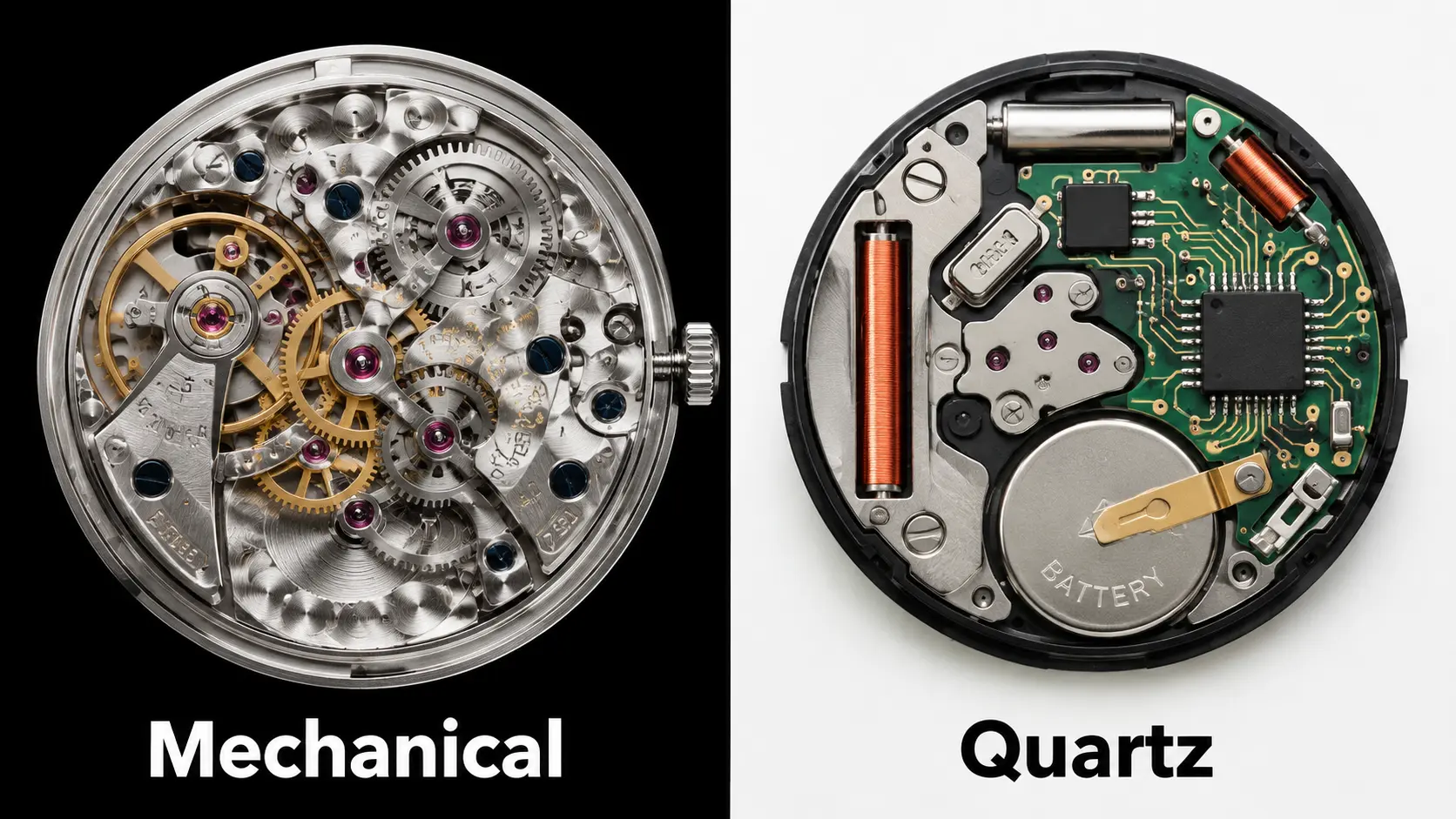
The movement is the engine that powers your luxury watch. Two main types dominate the market:
Automatic Movement Automatic watches use mechanical movements powered by wrist motion. They represent traditional craftsmanship and require no battery. Watch enthusiasts prefer automatics for their artistry and engineering excellence.
Quartz Movement Quartz watches use battery power and electronic oscillators for precise timekeeping. They’re more accurate and require less maintenance than mechanical movements.
Choose automatic for traditional luxury appeal or quartz for precision and convenience.
Essential Features to Consider
Case Material
Premium materials define luxury watches:
- Stainless Steel: Durable and versatile
- Gold (Yellow/Rose/White): Classic luxury statement
- Titanium: Lightweight and hypoallergenic
- Ceramic: Scratch-resistant and modern
Crystal Type
Sapphire crystal glass is the gold standard in luxury watches. It offers superior scratch resistance and clarity compared to mineral glass or acrylic.
Water Resistance
Understanding water resistance ratings ensures your watch survives daily wear:
- 3ATM (30m): Splash resistant only
- 5ATM (50m): Suitable for swimming
- 10ATM (100m): Safe for water sports
Case Size and Thickness
Modern luxury watches range from 36mm to 44mm in diameter. Consider your wrist size and personal style. Case thickness affects comfort and appearance under shirt cuffs.
Brand Heritage and Reputation
Research the brand’s history, craftsmanship standards, and customer service. Established luxury watch brands offer better resale value and reliability.
Style and Versatility
Choose a style that matches your lifestyle:
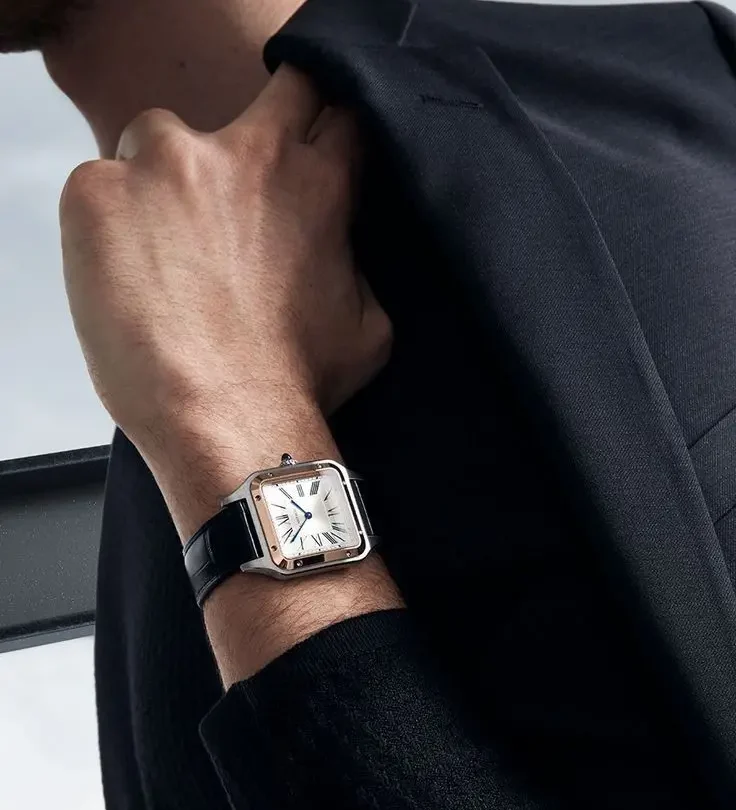
- Dress Watches: Elegant and slim for formal occasions
- Sports Watches: Robust with advanced features
- Dive Watches: High water resistance and durability
- Chronographs: Multiple functions and sporty appeal
Warranty and After-Sales Service
Quality luxury watches come with comprehensive warranties (typically 2-5 years). Verify warranty coverage and availability of service centers.
Investment Value
Some luxury watches appreciate over time. Limited editions, iconic models, and pieces from prestigious brands often hold or increase their value.
Where to Buy
Purchase from authorized dealers or trusted luxury watch retailers like Aetherix to ensure authenticity, warranty coverage, and proper documentation.
Conclusion
Choosing a luxury watch in 2025 requires understanding movements, materials, features, and your personal preferences. Take your time, research thoroughly, and select a timepiece that resonates with your style and needs. A well-chosen luxury watch becomes a lifelong companion and valuable investment.
Ready to find your perfect luxury timepiece? Explore the premium collection at Aetherix today.
Introduction
Not every expensive watch qualifies as a true luxury timepiece. Authentic luxury watches possess specific features that demonstrate superior craftsmanship, materials, and engineering. Understanding these characteristics helps you identify genuine quality and make informed purchasing decisions.
1. High-Quality Movement
The movement defines a luxury watch. Premium timepieces feature:
- Swiss or Japanese manufacture movements
- Hand-assembled components
- Decorated movements with Geneva stripes or perlage
- Precision testing and certification
Luxury brands invest thousands of hours developing and perfecting their movements. Some create in-house calibers that showcase decades of horological expertise.
2. Sapphire Crystal Glass
Sapphire crystal is virtually scratch-proof and offers exceptional clarity. This synthetic material ranks 9 on the Mohs hardness scale (diamond is 10). Luxury watches use anti-reflective coated sapphire for optimal readability.
Cheaper watches use mineral glass or acrylic that scratch easily and yellow over time.
3. Premium Case Materials
True luxury watches utilize top-tier materials:
- 316L or 904L stainless steel (superior corrosion resistance)
- 18k gold (yellow, rose, or white)
- Platinum (rarest and most valuable)
- Titanium (lightweight and durable)
- Ceramic (scratch-resistant and modern)
Material quality affects durability, appearance, and value retention.
4. Exceptional Water Resistance
Luxury watches feature robust sealing systems. Even dress watches typically offer 3ATM to 5ATM resistance. Sports and dive watches provide 10ATM to 30ATM or more.
Quality gaskets, screw-down crowns, and precision case construction ensure reliable protection.
5. Superior Finishing and Craftsmanship
Examine the details:
- Polished and brushed surfaces perfectly executed
- Sharp, clean edges on cases and bracelets
- Flawless dial printing with even color application
- Properly aligned indices and hands
- Smooth crown and pusher operation
Luxury watchmakers spend hours hand-finishing components to microscopic tolerances.
6. Complications and Functions
Complications demonstrate technical mastery:
- Date displays
- Chronographs (stopwatch functions)
- Moon phase indicators
- Perpetual calendars
- Tourbillons
- Minute repeaters
Complex complications require exceptional engineering and significantly increase a watch’s value.
7. Quality Bracelet or Strap
Luxury watches feature premium bracelets with:
- Solid links (not hollow)
- Multiple micro-adjustment options
- Secure clasps with safety mechanisms
- Smooth action and proper weight
Leather straps use genuine alligator, crocodile, or premium calfskin with quality stitching.
8. Brand Heritage and Reputation
Established luxury brands offer:
- Decades or centuries of watchmaking history
- Proven quality control standards
- Reliable after-sales service
- Strong resale value
Heritage represents accumulated expertise and commitment to excellence.
9. Comprehensive Warranty
Luxury watches include warranties of 2 to 5 years covering manufacturing defects. Premium brands provide international warranty service through authorized service centers.
Limited warranties or their absence indicate lower quality standards.
10. Attention to Detail
True luxury shows in subtle elements:
- Exhibition casebacks displaying decorated movements
- Engraved or embossed logos (not printed)
- Serial numbers for authenticity
- Quality packaging with proper documentation
- Certificates of authenticity
Every component receives meticulous attention from designers and craftspeople.
Conclusion
These ten features separate genuine luxury timepieces from standard watches. When investing in a premium watch, examine movement quality, materials, craftsmanship, and brand heritage. True luxury represents a combination of artistry, engineering excellence, and timeless design.
Explore authentic luxury timepieces featuring all these premium characteristics at Aetherix—your destination for exceptional watches.
What Is an Automatic Movement?
Automatic (or self-winding mechanical) watches use intricate mechanical systems powered by a weighted rotor. As you move your wrist, the rotor spins and winds the mainspring, storing energy to power the watch.
How Automatic Movements Work
Automatic movements contain hundreds of tiny components working together:
- Mainspring stores mechanical energy
- Gear train transmits power
- Escapement regulates energy release
- Balance wheel oscillates to measure time
This traditional technology represents centuries of horological craftsmanship.
What Is a Quartz Movement?
Quartz watches use battery power and electronic oscillators for timekeeping. An electric current passes through a quartz crystal, causing it to vibrate at 32,768 times per second. These consistent vibrations provide extremely accurate time measurement.
How Quartz Movements Work
Quartz technology is simpler than mechanical:
- Battery provides power
- Quartz crystal oscillates at precise frequency
- Electronic circuit counts vibrations
- Stepper motor moves watch hands
Automatic Movements: Advantages
Traditional Craftsmanship
Automatic watches represent the pinnacle of watchmaking artistry. Each movement requires skilled assembly and finishing by master craftspeople.
No Battery Required
Automatic watches never need battery replacements. Regular wear keeps them running indefinitely.
Smooth Second Hand
The sweeping motion of automatic watch seconds hands offers visual elegance compared to quartz ticking.
Investment Value
Mechanical watches often appreciate in value, especially from prestigious brands. Collectors prefer automatic movements for their complexity and heritage.
Longevity
With proper maintenance, automatic watches can last generations. They become family heirlooms passed down through time.
Automatic Movements: Disadvantages
Lower Accuracy
Automatic watches typically vary by -10 to +30 seconds daily. Even COSC-certified chronometers allow -4 to +6 seconds daily deviation.
Regular Maintenance Required
Automatic movements need servicing every 3-5 years, costing $200-$1,000+ depending on complexity.
Initial Investment
Quality automatic watches cost more due to manufacturing complexity and hand assembly.
Daily Winding Needed
If unworn for 24-48 hours, automatic watches stop and require resetting.
Quartz Movements: Advantages
Superior Accuracy
Quartz watches deviate by only 15-30 seconds monthly—about 50 times more accurate than automatic movements.
Low Maintenance
Quartz watches require minimal servicing beyond battery replacements every 2-3 years.
Affordability
Quartz technology costs less to manufacture, making luxury styling more accessible.
Convenience
Set your quartz watch and forget it. No winding or daily wear required to keep accurate time.
Durability
Fewer moving parts mean less can break. Quartz movements handle shocks better than delicate mechanical systems.
Quartz Movements: Disadvantages
Limited Craftsmanship Appeal
Quartz movements lack the artistry and engineering prestige of mechanical watchmaking.
Battery Dependency
Quartz watches require battery replacements, creating ongoing maintenance needs.
Lower Resale Value
Quartz watches typically don’t appreciate in value like automatic timepieces.
Ticking Second Hand
The distinctive “tick-tick” motion lacks the smooth sweep of mechanical movements.
Which Movement Should You Choose?
Choose Automatic If:
- You appreciate traditional craftsmanship and horological heritage
- You want a potential investment piece
- You enjoy the ritual of watch maintenance
- You prioritize artistry over precision
- You’re building a watch collection
Choose Quartz If:
- You need maximum accuracy for professional requirements
- You prefer low-maintenance timepieces
- You want affordable luxury styling
- You wear watches occasionally, not daily
- Convenience outweighs tradition
Conclusion
Neither automatic nor quartz is objectively “better”—each serves different preferences and lifestyles. Automatic movements offer craftsmanship, heritage, and investment potential. Quartz movements provide accuracy, convenience, and value.
Consider your priorities: tradition versus precision, maintenance involvement versus convenience, investment versus practicality. The right choice depends on your unique needs and appreciation for watchmaking.
Explore both automatic and quartz luxury timepieces at Aetherix. Find the perfect movement type for your lifestyle today.
What Is Watch Case Thickness
Case thickness (also called case height or profile) measures the distance from the caseback to the top of the crystal, excluding the crown. Manufacturers typically express this measurement in millimeters.
Standard thickness ranges:
- Ultra-thin: Under 8mm
- Thin: 8-10mm
- Standard: 10-13mm
- Thick: 13-15mm
- Very thick: Over 15mm
Why Case Thickness Matters
Comfort and Wearability
Thinner watches sit closer to your wrist, creating a sleeker profile that feels more comfortable during daily activities. Thick watches can feel bulky and catch on clothing or restrict wrist movement.
Your wrist size significantly impacts comfort. Smaller wrists (under 6.5 inches) suit thinner cases better, while larger wrists can accommodate thicker profiles comfortably.
Style and Formality
Case thickness dramatically affects a watch’s aesthetic and appropriate occasions:
Thin Watches (Under 10mm)
- Elegant and refined appearance
- Perfect for formal occasions and business settings
- Slide easily under dress shirt cuffs
- Project sophistication and understated luxury
Medium Thickness (10-13mm)
- Versatile for casual and semi-formal wear
- Balanced proportions work with most outfits
- Accommodate automatic movements and basic complications
- Offer broad appeal
Thick Watches (Over 13mm)
- Bold, sporty, and masculine aesthetic
- Statement pieces that demand attention
- Designed for casual and active wear
- May appear too bulky for formal settings
Movement and Complications
Movement type directly influences case thickness:
Slim Movements Quartz and simple hand-wound mechanical movements allow ultra-thin cases (6-8mm).
Automatic Movements Self-winding mechanisms with rotors require additional space, typically adding 2-4mm thickness.
Complications Additional functions increase thickness:
- Chronographs add 2-4mm
- Perpetual calendars add 3-5mm
- Minute repeaters require substantial thickness
- GMT functions and moon phases increase height
Durability and Water Resistance
Thicker cases generally provide:
- More robust construction
- Better shock resistance
- Higher water resistance ratings
- Enhanced protection for movements
Dive watches and sports watches feature thicker cases (13-17mm) to withstand extreme conditions and maintain water-tight integrity at depth.
Ideal Thickness for Different Watch Types
Dress Watches: 6-10mm
Dress watches prioritize elegance and discretion. Ultra-thin profiles (7-9mm) slide effortlessly under formal shirt cuffs without creating unsightly bumps. These watches emphasize refinement over functionality.
Premium brands create remarkably thin dress watches, some under 5mm, showcasing exceptional engineering skill.
Sports Watches: 12-15mm
Sports watches need durability and functionality. Thicker cases accommodate automatic movements, complications, and robust water resistance. The added thickness provides impact protection during active pursuits.
While thicker than dress watches, modern sports watches balance functionality with wearability.
Dive Watches: 13-17mm
Dive watches feature the thickest cases due to:
- High water resistance requirements (200m-1000m+)
- Unidirectional rotating bezels
- Robust construction for underwater pressure
- Larger movements with date complications
Despite thickness, quality dive watches maintain comfort through ergonomic case designs.
Everyday Watches: 10-12mm
Versatile everyday watches balance elegance and functionality. This moderate thickness works under business casual attire while providing automatic movement space and useful complications.
How to Choose the Right Thickness
Consider Your Wrist Size
Small Wrists (Under 6.5 inches)
- Opt for thinner cases (under 12mm)
- Thicker watches appear oversized and uncomfortable
- Ultra-thin dress watches (7-9mm) suit best
Medium Wrists (6.5-7.5 inches)
- Any thickness works depending on style preference
- Most versatile wrist size
- Try various profiles to find personal preference
Large Wrists (Over 7.5 inches)
- Can wear thicker cases (13mm+) comfortably
- Very thin watches may look undersized
- Sports and dive watches provide balanced proportions
Match Your Wardrobe
Formal Attire: Choose thin watches (under 10mm) that disappear under dress shirts. Thick watches create bulges and catch on cuffs.
Casual Wear: Medium to thick watches (11-15mm) complement casual styles. The added presence suits relaxed outfits.
Athletic/Outdoor: Thicker sports watches (13mm+) provide durability without looking out of place during active pursuits.
Test Before Buying
Always try watches before purchasing:
- Wear the watch for several minutes
- Move your wrist through full range of motion
- Slide it under your shirt cuff
- Check for comfort and balance
- Ensure it doesn’t catch on clothing
The Engineering Challenge of Thin Watches
Creating ultra-thin luxury watches requires exceptional skill:
- Miniaturizing components while maintaining reliability
- Developing slim automatic movements
- Ensuring durability in delicate cases
- Achieving water resistance despite limited space
Brands commanding premium prices often showcase technical mastery through impressively thin timepieces.
Common Thickness Mistakes
Ignoring Wrist Size
Wearing a 16mm thick watch on a 6-inch wrist creates awkward proportions and discomfort.
Wrong Style Context
Thick sports watches don’t suit formal occasions. Ultra-thin dress watches look fragile during outdoor activities.
Overlooking Comfort
Specifications look perfect on paper, but uncomfortable watches remain unworn. Always prioritize wearability.
Modern Trends
Contemporary watchmaking trends toward:
- Slimmer profiles across all categories
- Advanced engineering for thinner automatic movements
- Integrated bracelet designs that reduce perceived thickness
- Ergonomic case shaping for better comfort despite thickness
Conclusion
Case thickness significantly impacts your luxury watch experience. The right thickness balances style, comfort, functionality, and occasion. Dress watches demand elegance through thinness (under 10mm), while sports watches require durability through thicker construction (13mm+). Everyday watches find the sweet spot between these extremes.
Consider your wrist size, wardrobe, and intended use when evaluating case thickness. A perfectly specified watch on paper means nothing if uncomfortable or inappropriate for your lifestyle. Take time to try different thicknesses and discover what works best for you.
Explore luxury watches across all thickness profiles at Aetherix. Find the perfect case height that combines style, comfort, and functionality for your unique needs.